
Disclaimer: This article is for educational purposes only and is not a substitute for professional medical advice diagnosis or treatment. Always consult with a qualified healthcare provider before making significant changes to your diet or lifestyle especially if you have an existing health condition.
There is a quiet revolution happening in women’s wellness and it starts on the plate. The anti inflammatory diet is not a fad. It is a timeless approach to eating that swaps refined sugar and processed snacks for colorful produce healthy fats and powerhouse plant foods. For women this style of eating is showing promising results in research from easing stubborn weight gain to helping balance hormones and even soothing symptoms tied to PMS PCOS and menopause.
Why Women Are Turning to This Way of Eating
Hormones are deeply sensitive to inflammation. When inflammation runs high it can throw off estrogen progesterone and cortisol levels leading to fatigue mood swings irregular cycles and stubborn weight. For many women switching to anti inflammatory eating patterns helps calm that internal fire allowing hormones to find their rhythm again.
What’s on the Menu
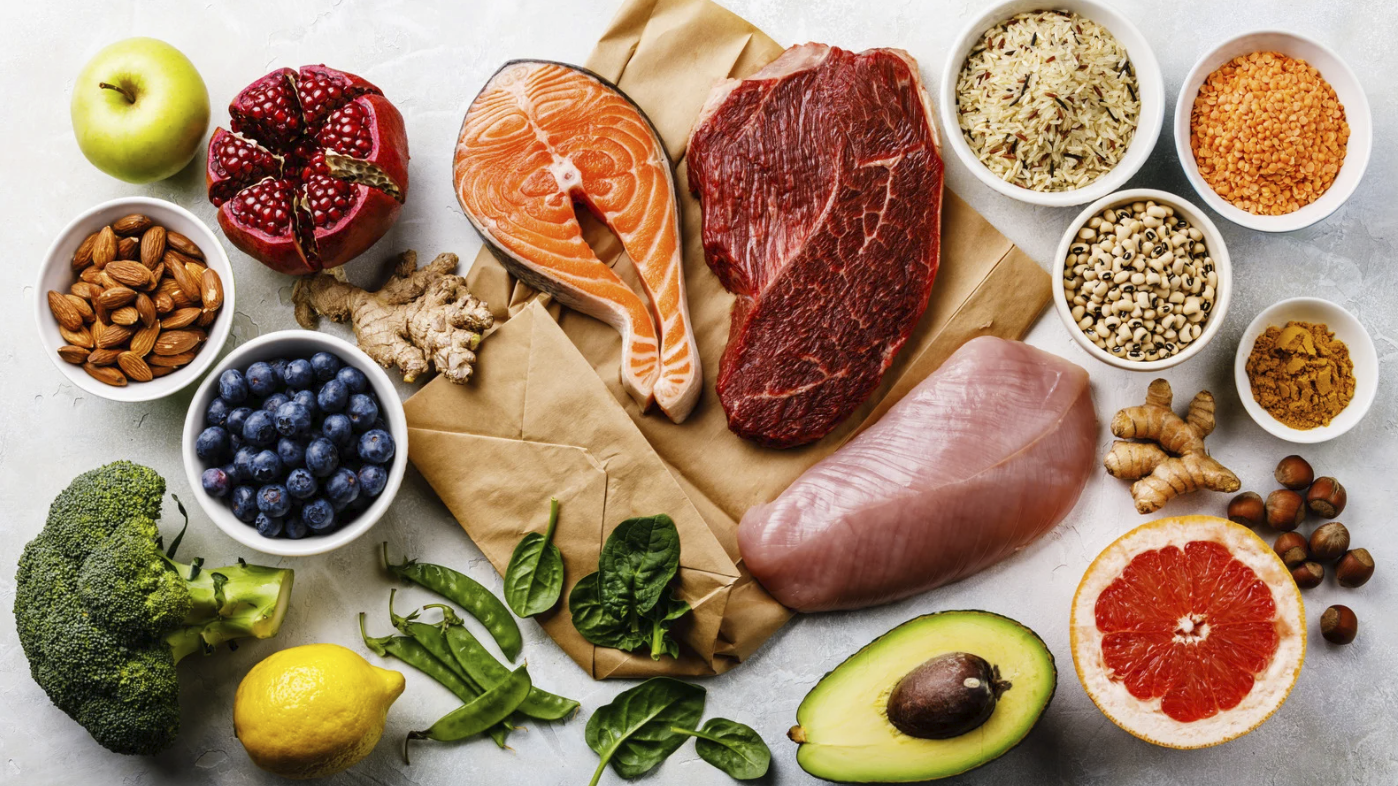
An anti inflammatory plate is bursting with nutrient dense whole foods :
- Fatty fish like salmon or sardines for omega three fatty acids
- Leafy greens such as kale spinach and Swiss chard for antioxidants and minerals
- Colorful berries loaded with vitamin C and phytonutrients
- Nuts seeds and olive oil for healthy fats
- Turmeric ginger and garlic for natural anti inflammatory compounds
Equally important is cutting back on foods that fan the flames of inflammation such as sugary drinks pastries processed meats deep fried snacks and overly refined carbs.
The Hormone Connection
A growing body of evidence links chronic inflammation to hormone disruption. This can mean increased insulin resistance higher androgen levels in PCOS and more pronounced menopausal symptoms. By lowering inflammatory markers in the blood anti inflammatory diets can help restore better hormonal balance which may improve mood menstrual regularity and metabolic health.
Weight and Metabolism Benefits
While weight loss is not the only goal it is often a welcome side effect. When inflammation drops insulin and leptin work more effectively hunger signals normalize and the body shifts from storing fat to burning it more efficiently. Many women notice their energy rises and bloating decreases within weeks of making the switch.
Gut Health and Immunity
The gut microbiome plays a critical role in inflammation and hormone regulation. Fiber‑rich vegetables probiotic foods and plant diversity feed beneficial gut bacteria which in turn help process hormones and reduce immune overactivation. A healthy gut is like a hidden ally for balanced hormones and steady energy.
The anti inflammatory diet is not about perfection. It is about building your meals around fresh whole foods that fight inflammation and crowding out the things that keep your body in a state of stress. Combined with good sleep movement and stress management it is a sustainable way to help your body feel lighter more energized and hormonally balanced.
The truth is hormonal health is not just a conversation for women navigating PMS, PCOS, or menopause , it matters at every age. In your twenties, balancing hormones can mean clearer skin, steadier moods, and better fertility down the road. In your thirties and forties, it can mean protecting metabolism, energy, and mental clarity. And later in life, it can make the difference between struggling with symptoms or gliding through life stages with more ease.
By talking about it openly, we can help younger generations understand that caring for their hormones is not just a “medical” issue but it is a foundation for confidence, vitality, and self‑respect. And the anti inflammatory diet is one of the most accessible, natural ways to start supporting that balance today.